Industrial concrete flooring
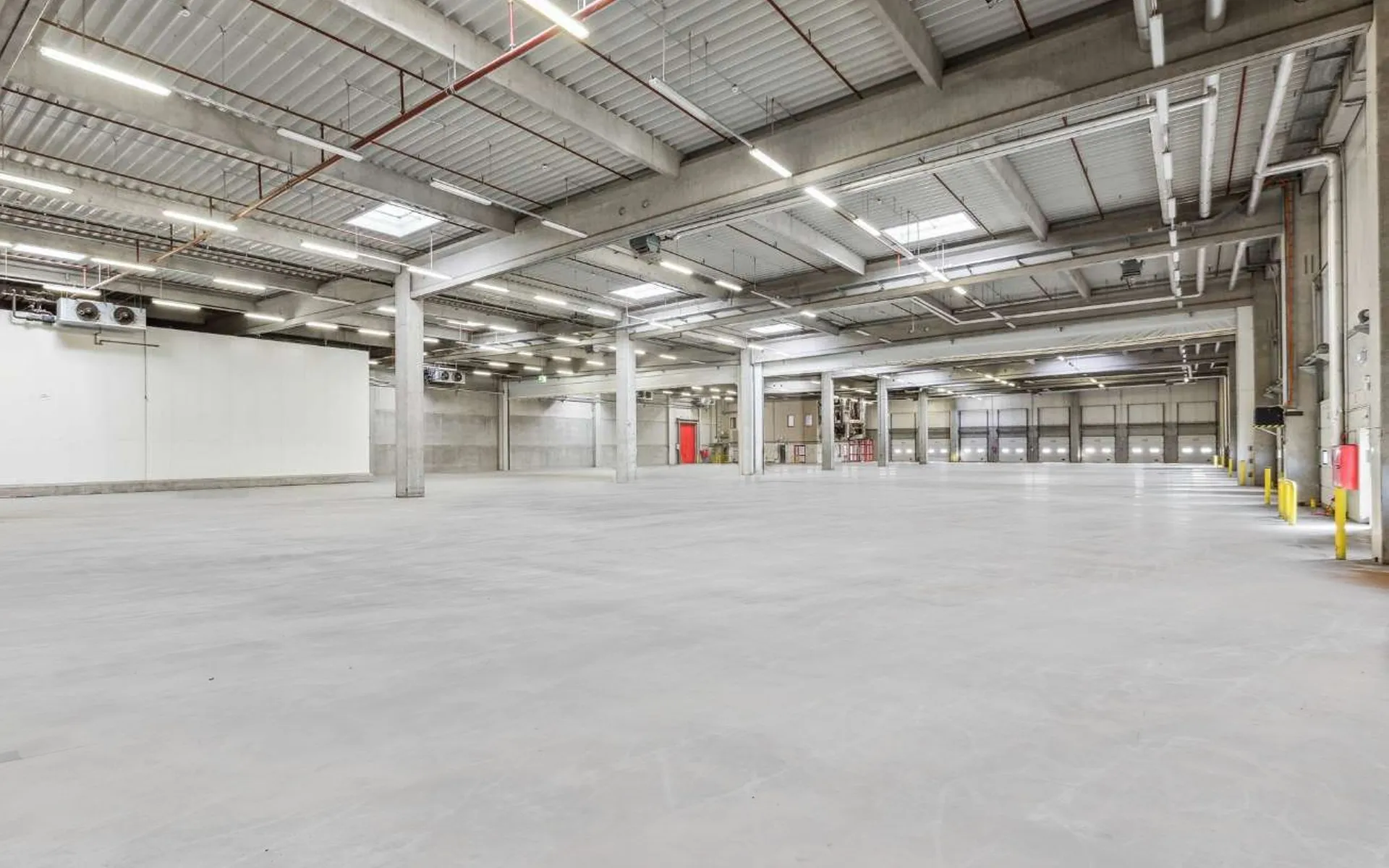
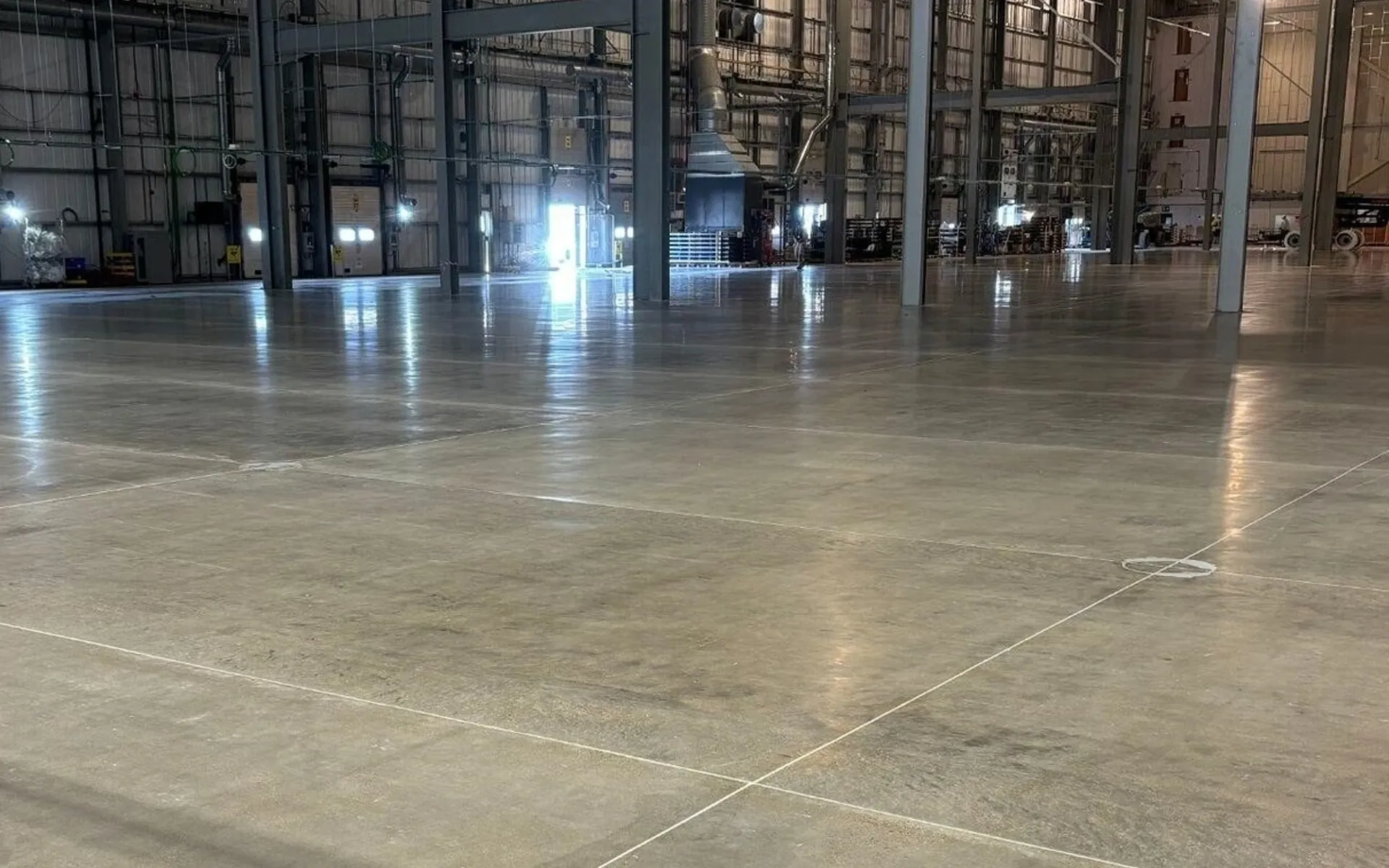
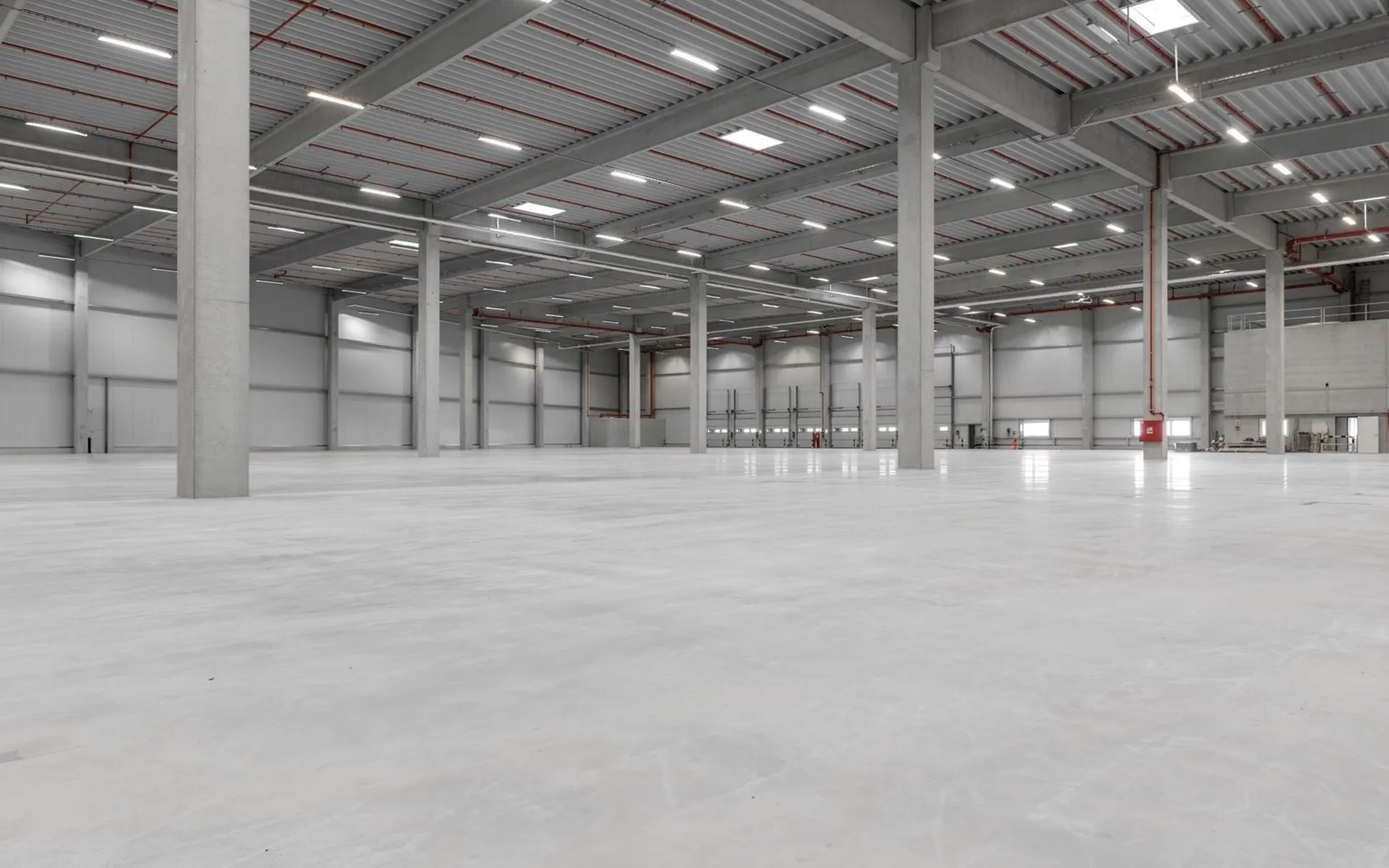
An industrial concrete floor is designed for the space and its expected loads. Slab thickness, reinforcement, joints, and finish are specified in the project documentation.
Learn more
Specialized services for execution, renovation, and protection of concrete surfaces.
Scalable service modules ready for industrial and B2B adaptation.
An industrial concrete floor is designed for the space and its expected loads. Slab thickness, reinforcement, joints, and finish are specified in the project documentation.
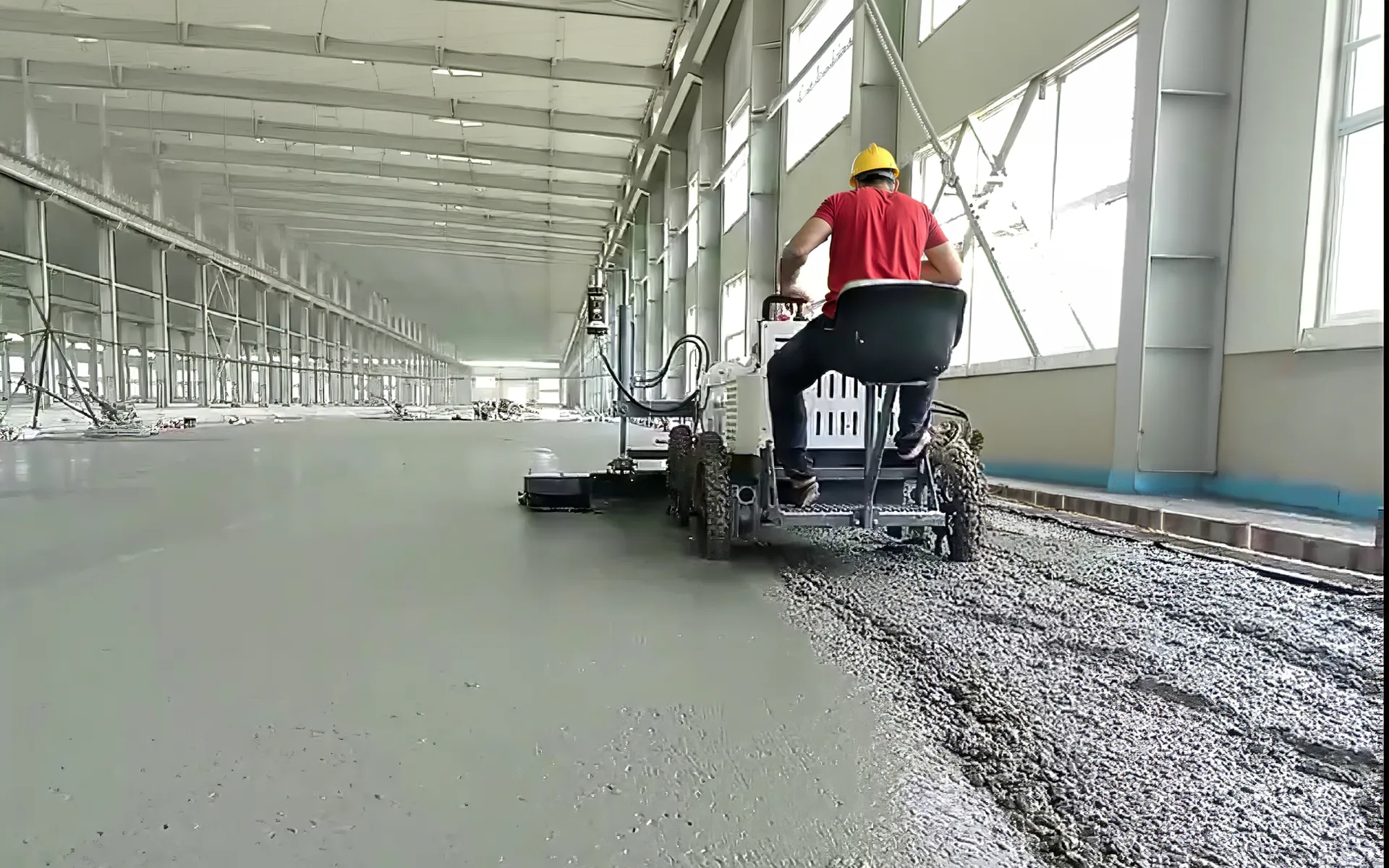
Learn moreLaser Screed machines are used to spread and level fresh concrete over larger areas. Suitability and required tolerances depend on the design, access, and site conditions.
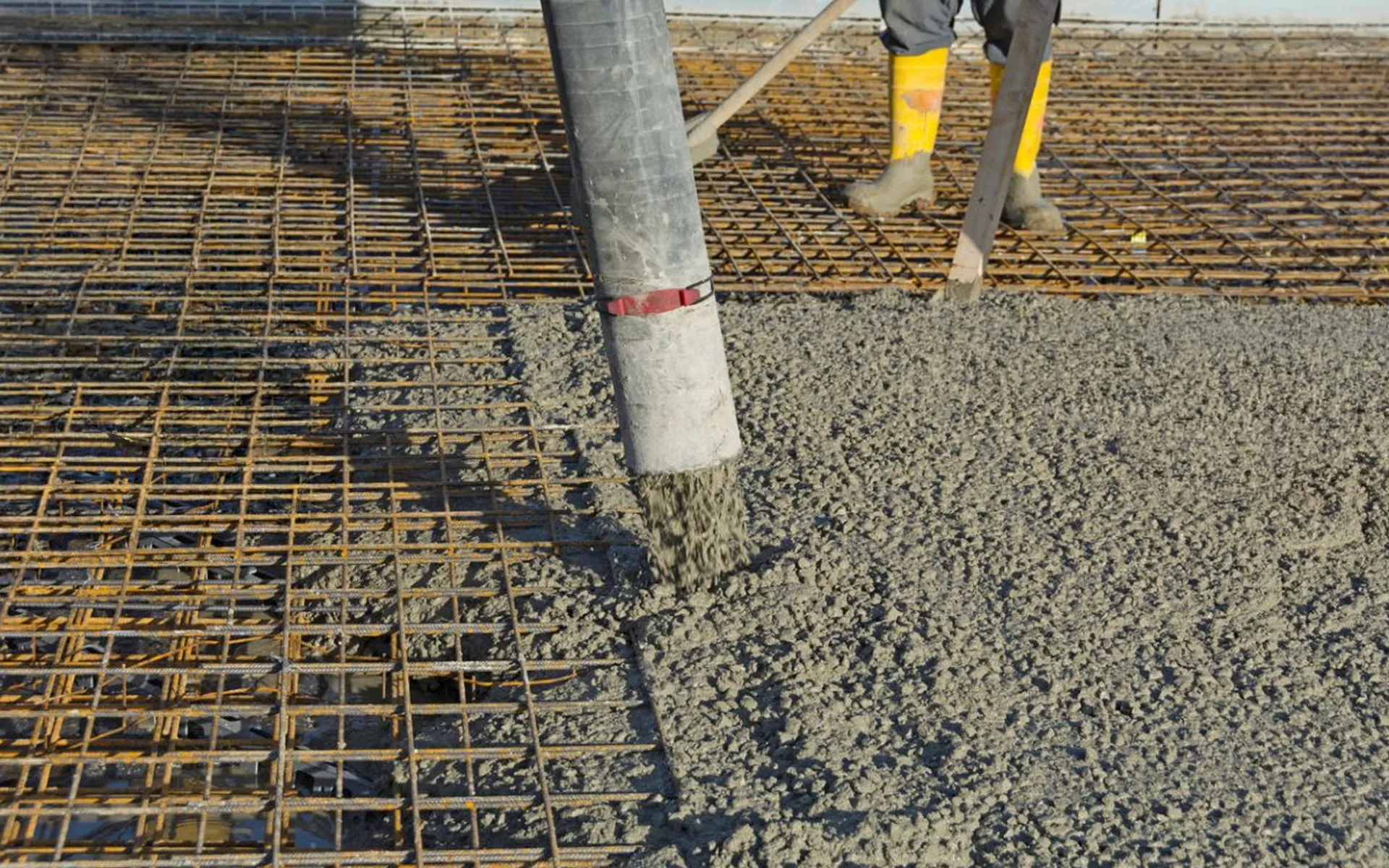
Learn moreLarge-area concrete placement is planned around the design, delivery sequence, site access, and specified finish.
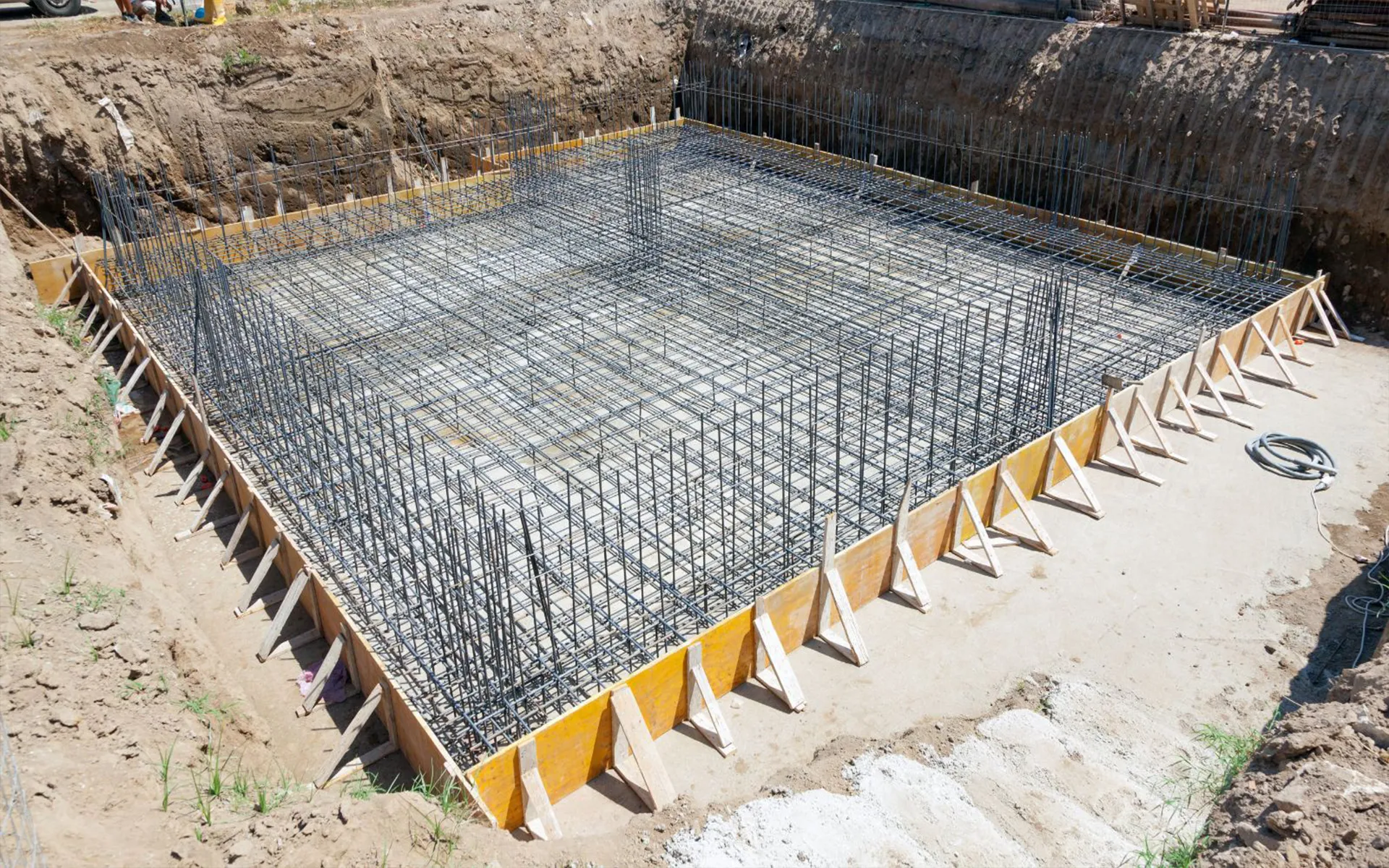
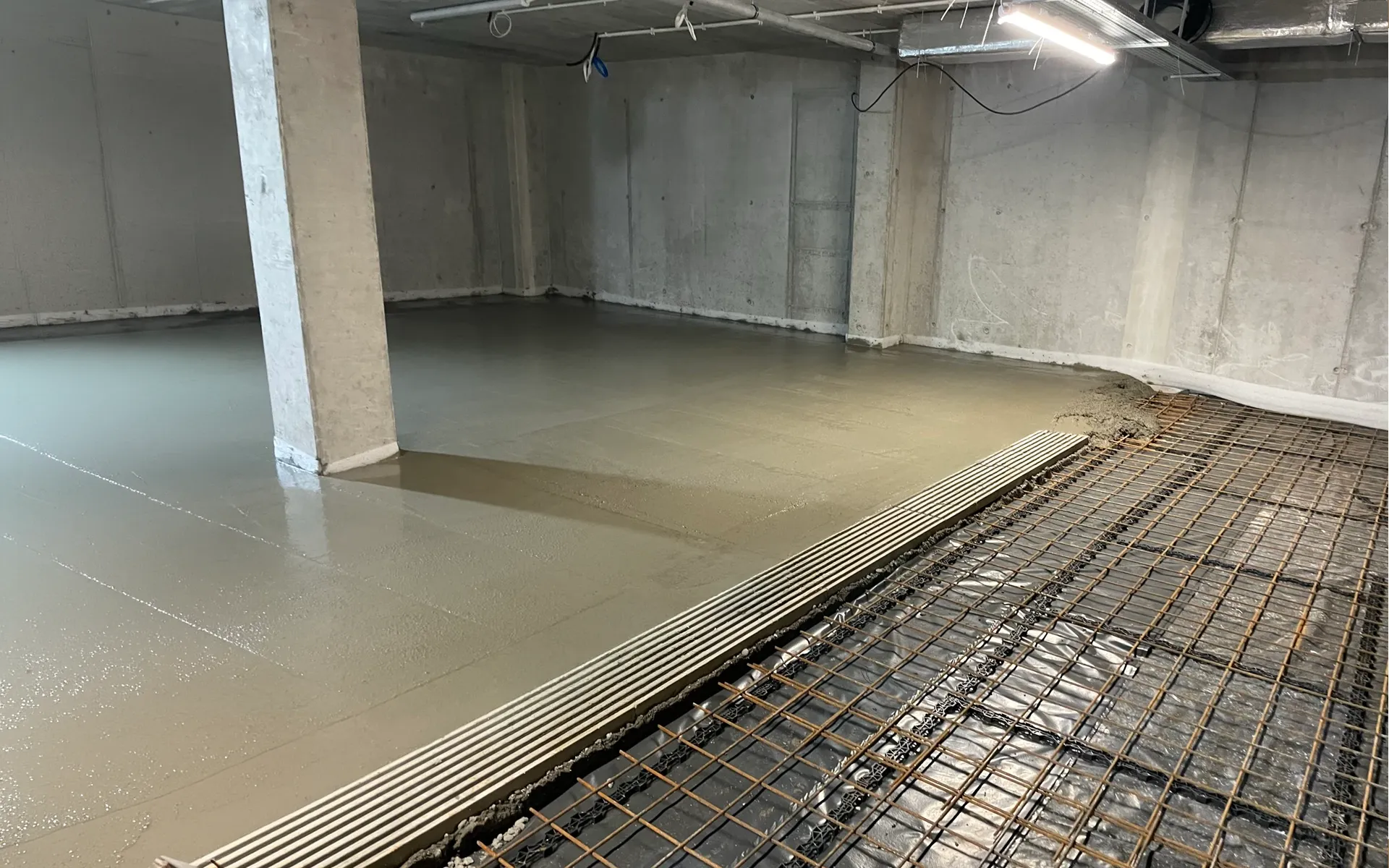
Learn moreA concrete foundation slab is designed for the project and ground conditions. Thickness, reinforcement, concrete specification, and construction details are set by the structural design.
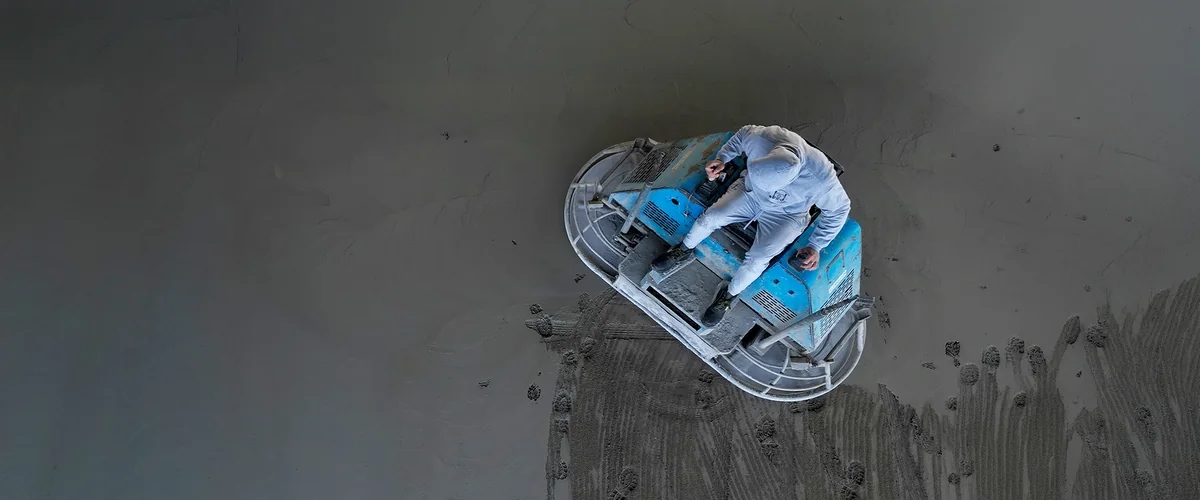
Learn morePower trowelling is a finishing operation on fresh concrete. Timing and outcome depend on the mix, site conditions, and sequence of finishing work.
Learn moreA dry-shake quartz hardener is worked into fresh concrete. Product and finish selection should match the intended use and project requirements.
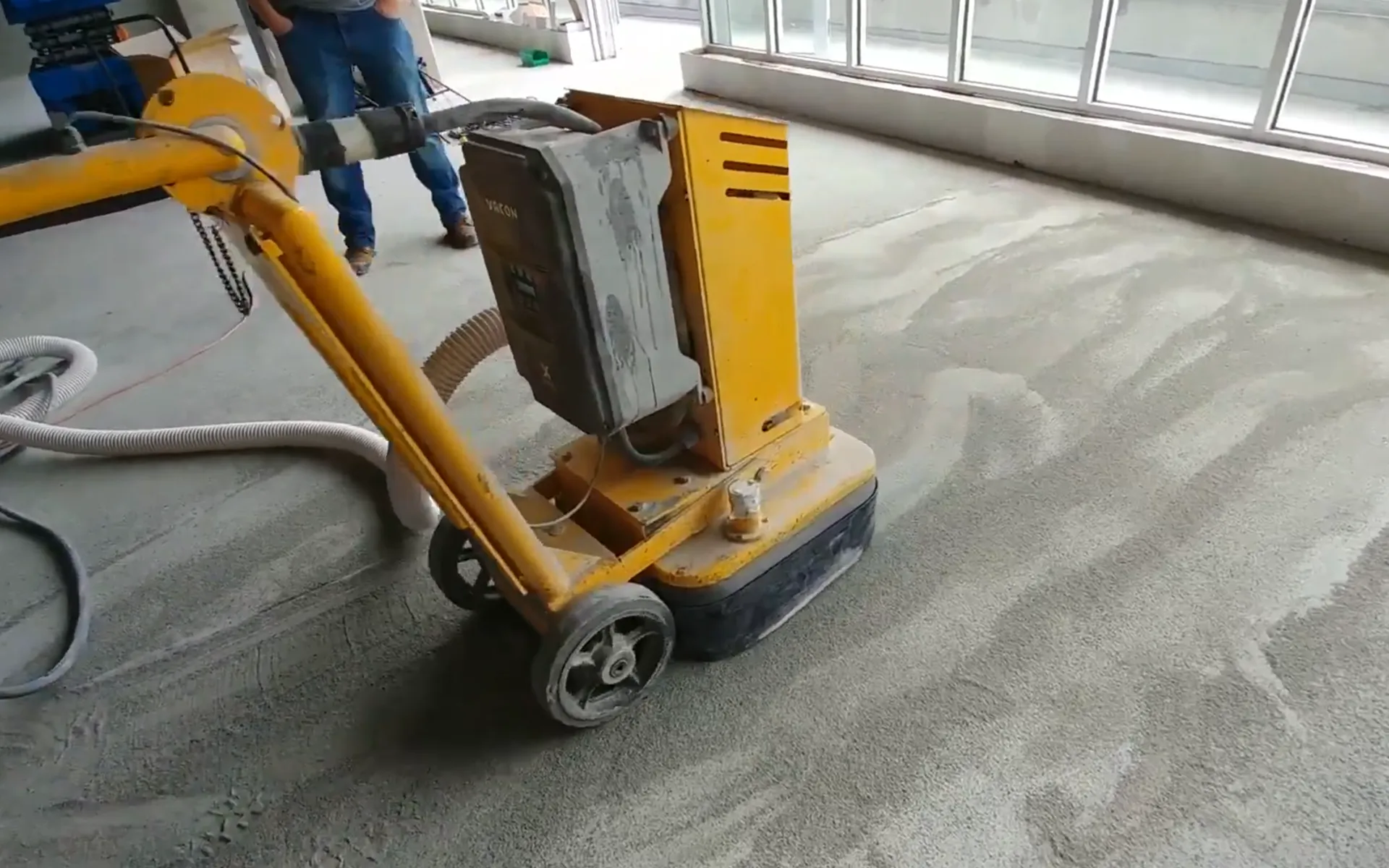
Learn moreGrinding removes irregularities and prepares the floor for protection or final coating.
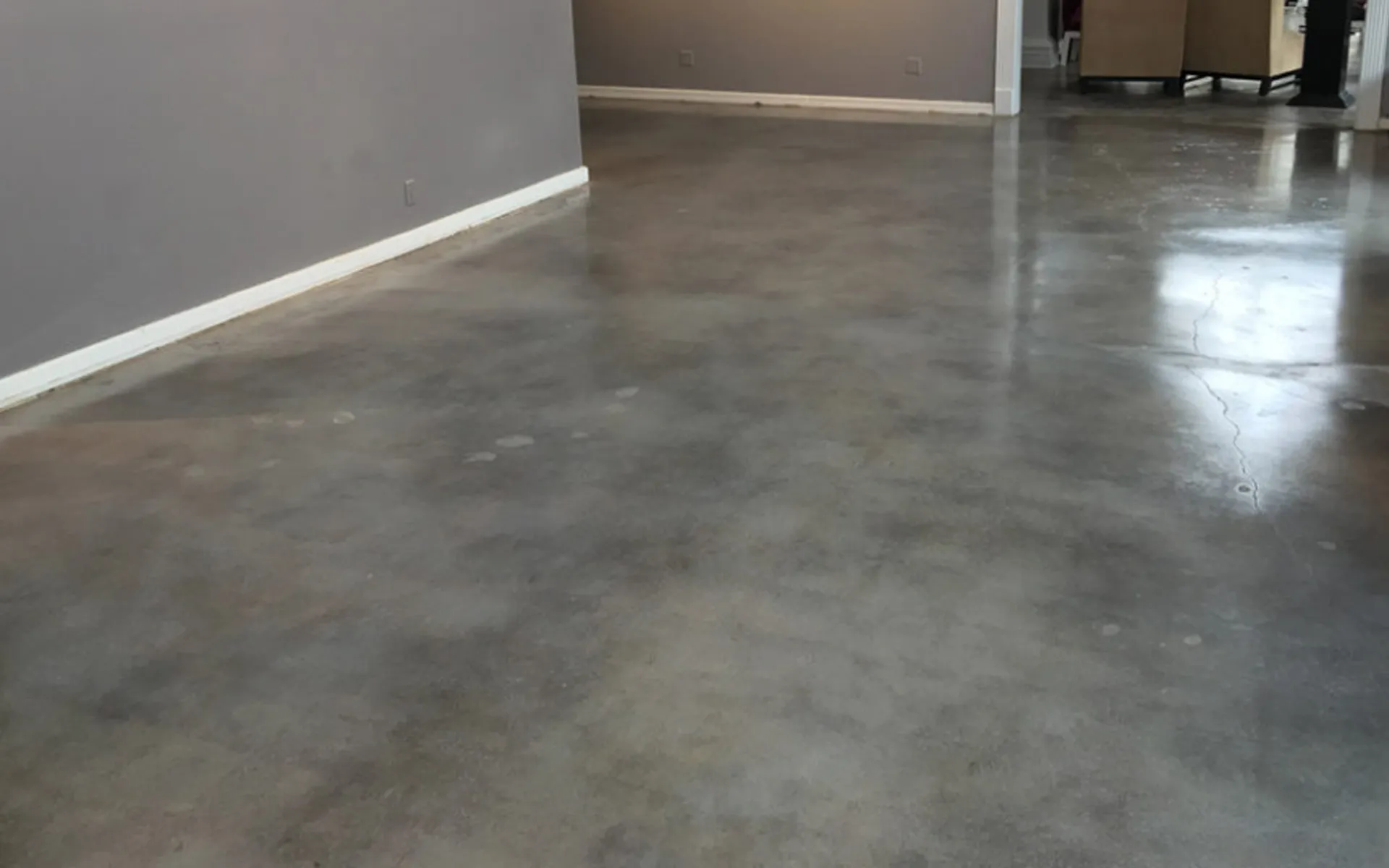
Learn moreGrinding and polishing progressively process an existing concrete surface. The final appearance depends on the concrete mix and condition, prior finishing, and the agreed aggregate exposure.
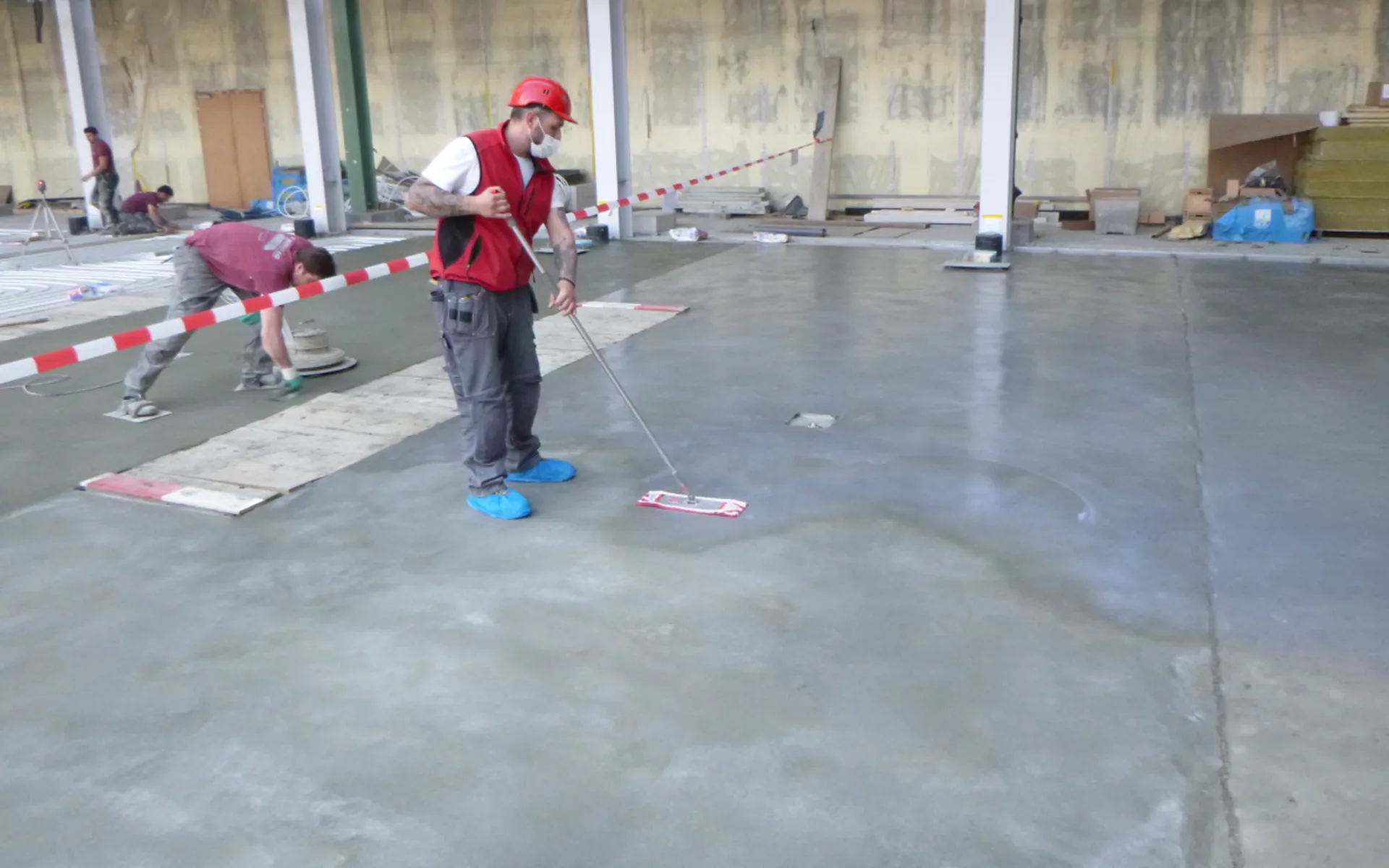
Learn moreConcrete impregnation and protection include different products and methods. Selection depends on substrate condition, exposure, and the properties of the specified system.
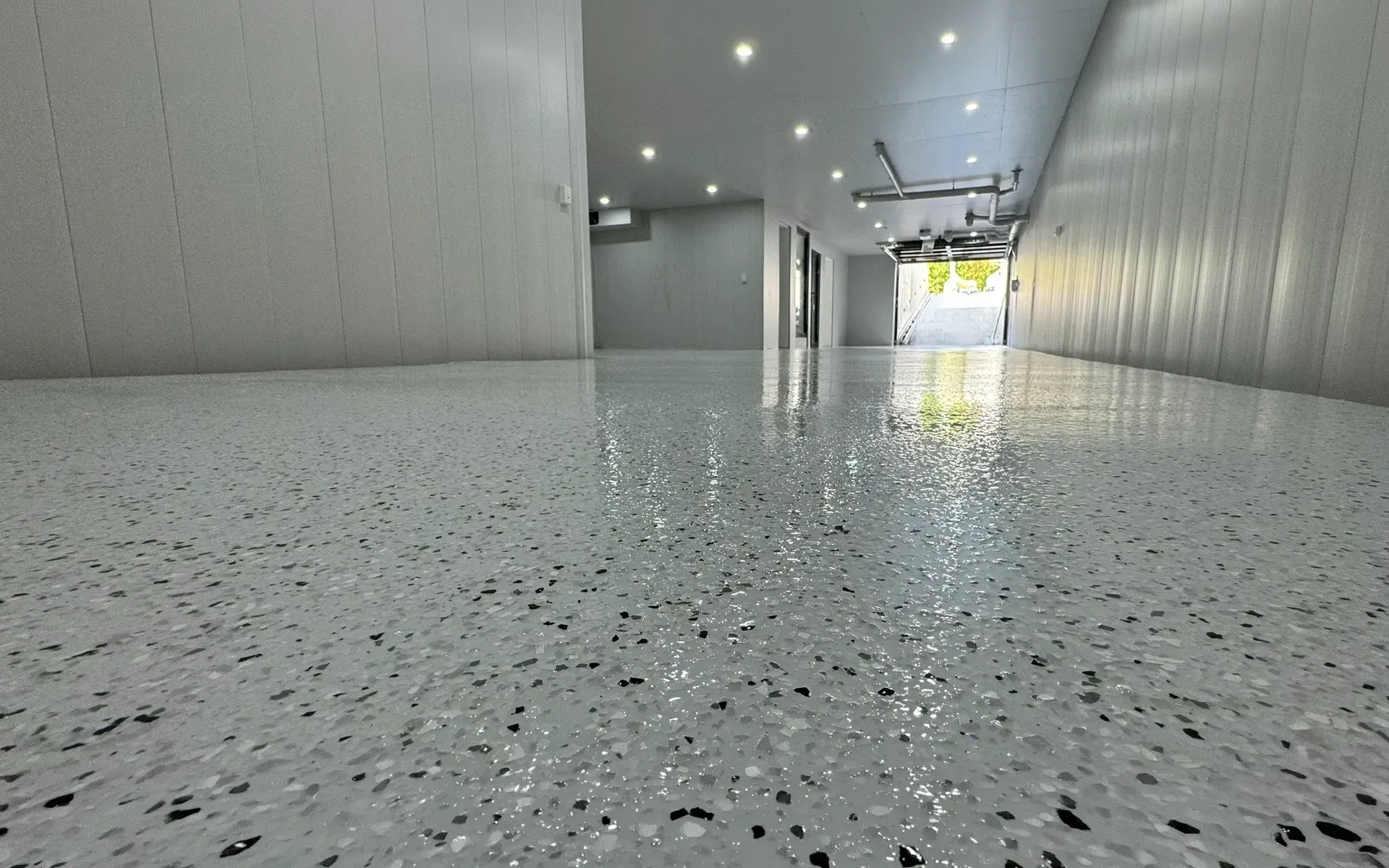
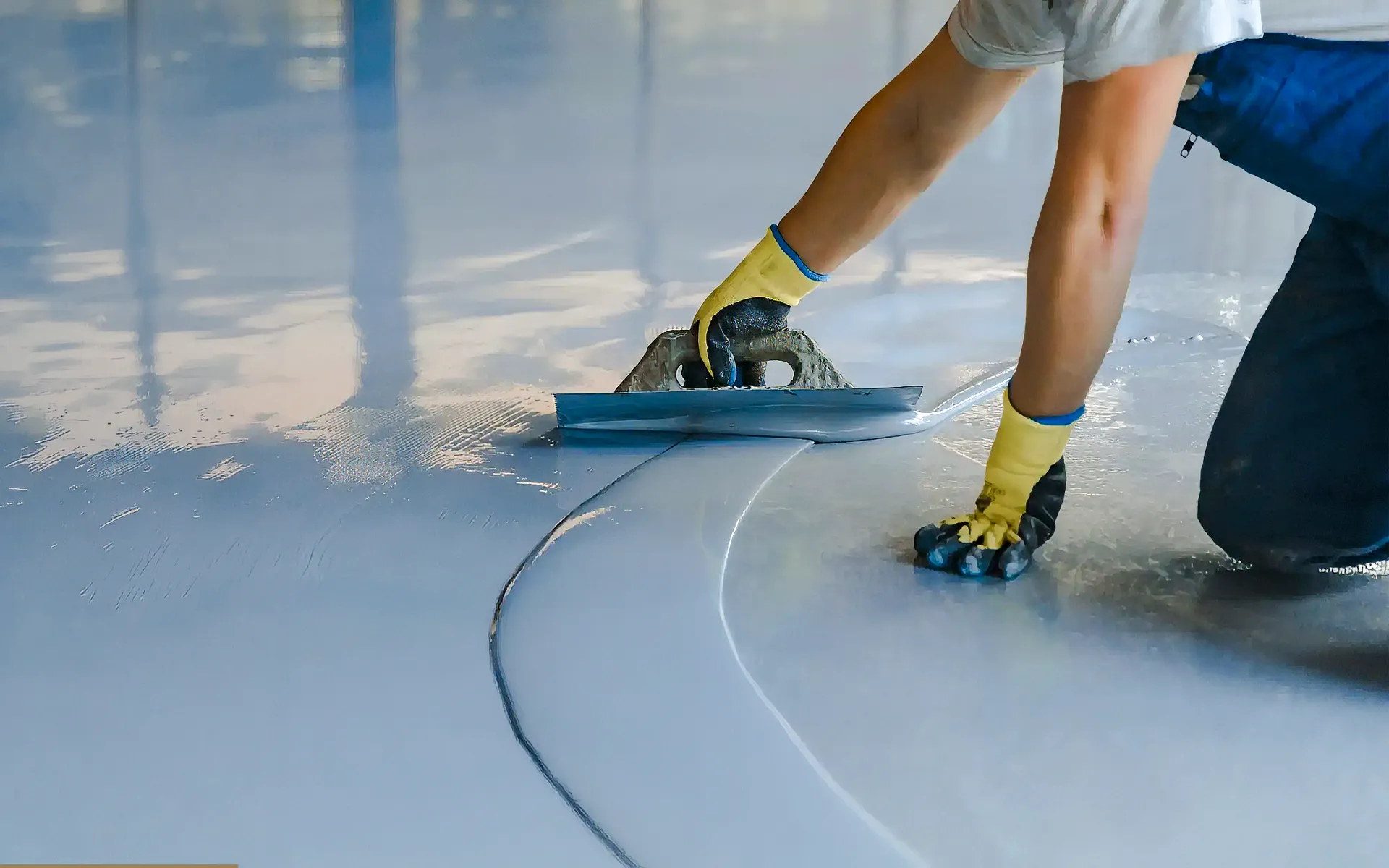
Learn moreAn epoxy floor is a resin system. Preparation, chemical resistance, and maintenance depend on the specified product and conditions of use.
Learn morePolyurethane floors are installed as systems whose properties depend on the product formulation and manufacturer specification. Suitability for temperature, chemicals, and traffic should be confirmed for the selected system.
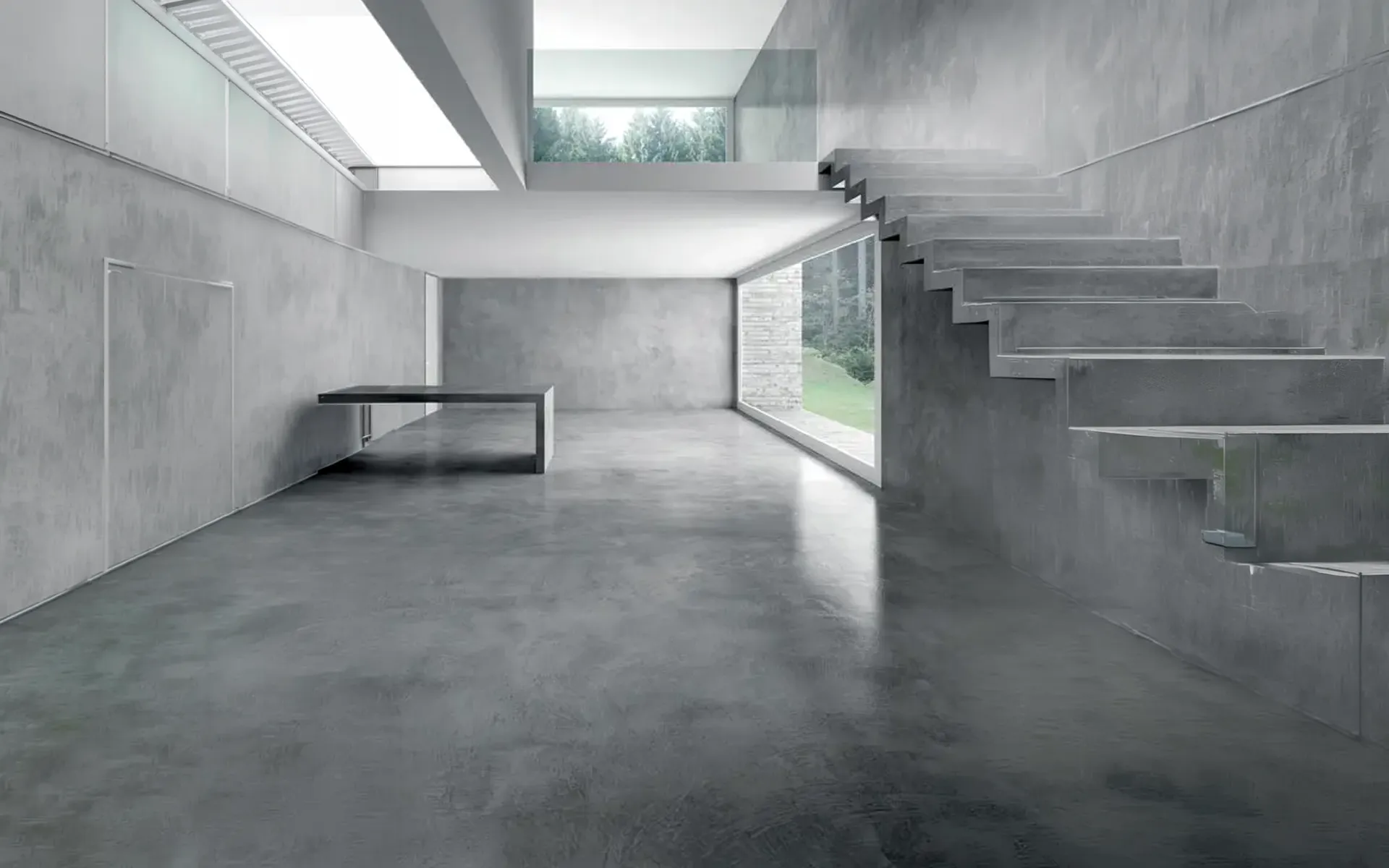
Learn moreMicrotopping describes a thin decorative finish. Preparation, thickness, and final properties depend on the specified system and substrate condition.
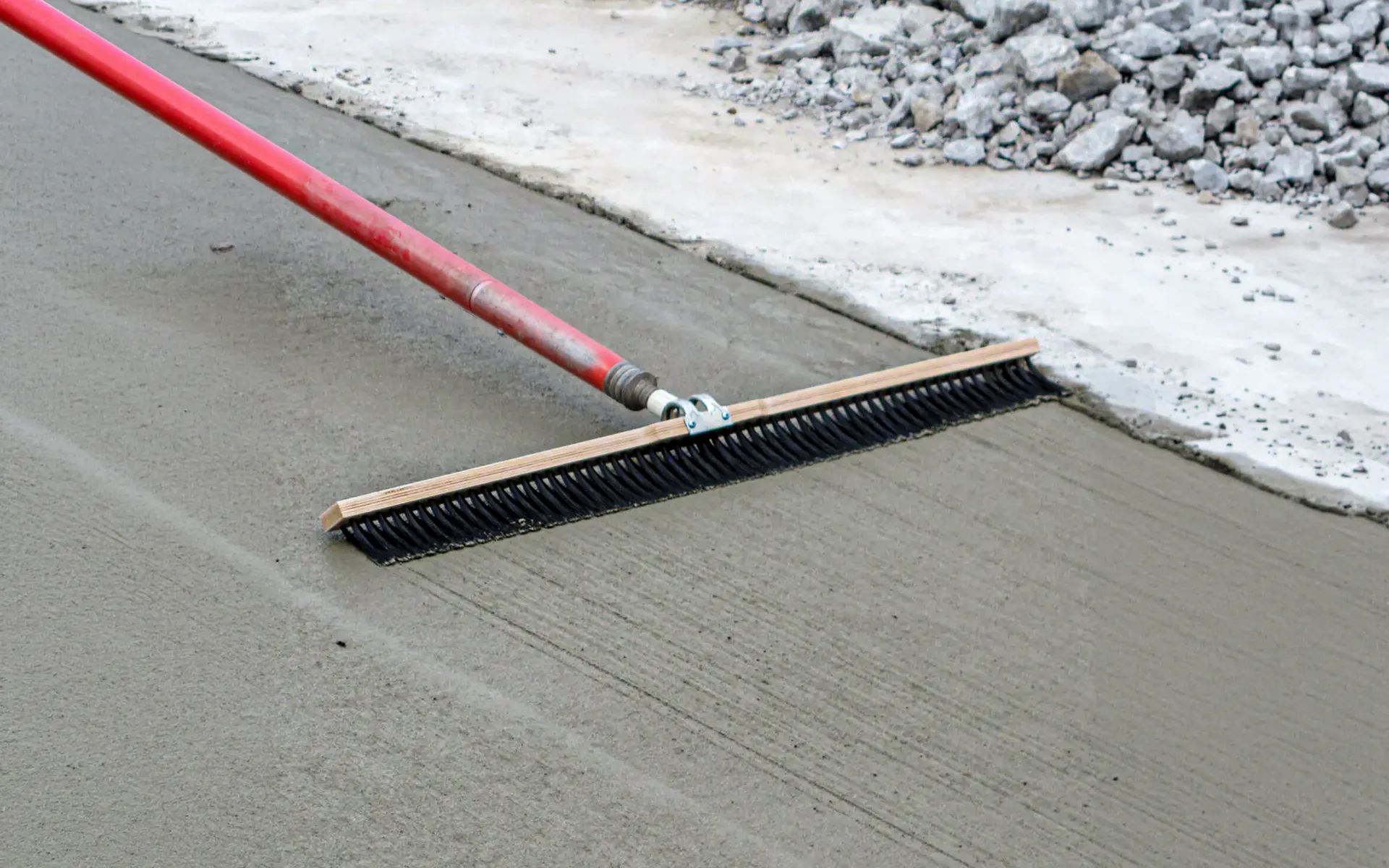
Learn moreA broom finish creates texture on a concrete surface. The final pattern and suitability for a specific use depend on the design and conditions of use.
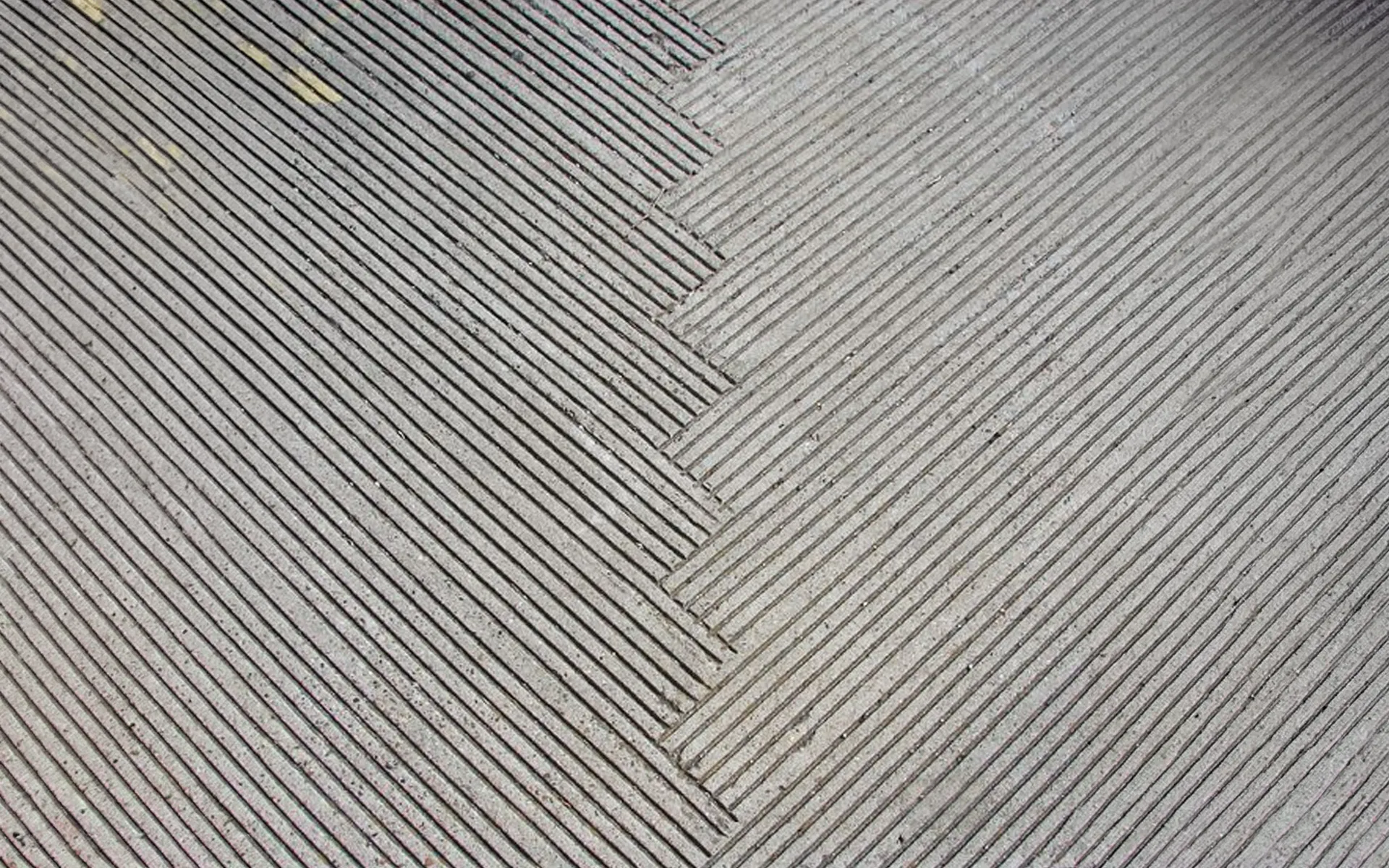
Learn moreHerringbone is a pattern created in a textured concrete finish. Appearance and feasibility depend on the selected technique, surface dimensions, and site conditions.
Learn moreDecorative outdoor concrete can use different textures and patterns. The finish, falls, and drainage should be coordinated with the intended use and project documentation.
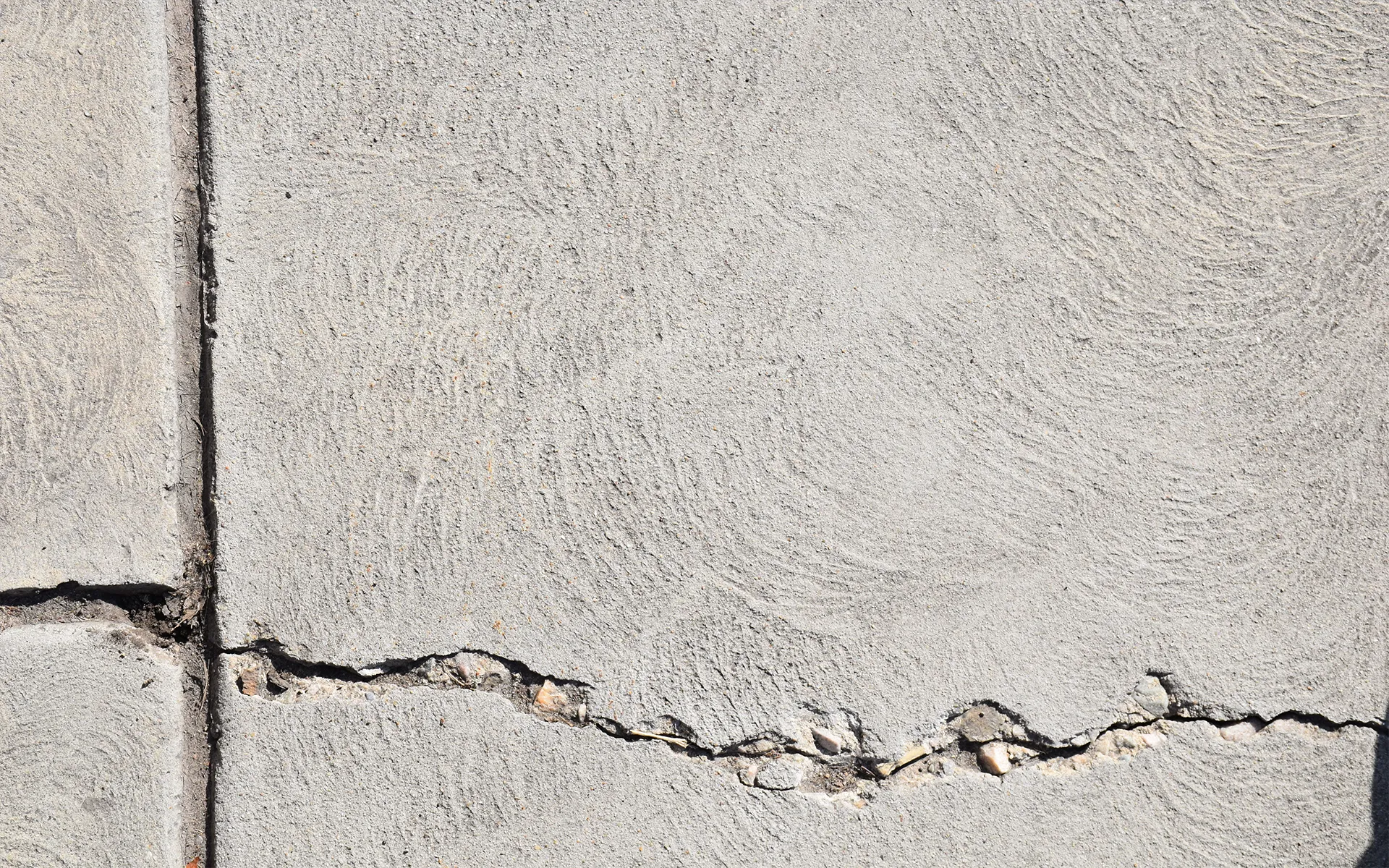
Learn moreIndustrial floor repairs may include local repairs, surface preparation, or a new finish. Scope and schedule are set after inspection and coordinated with site operations.
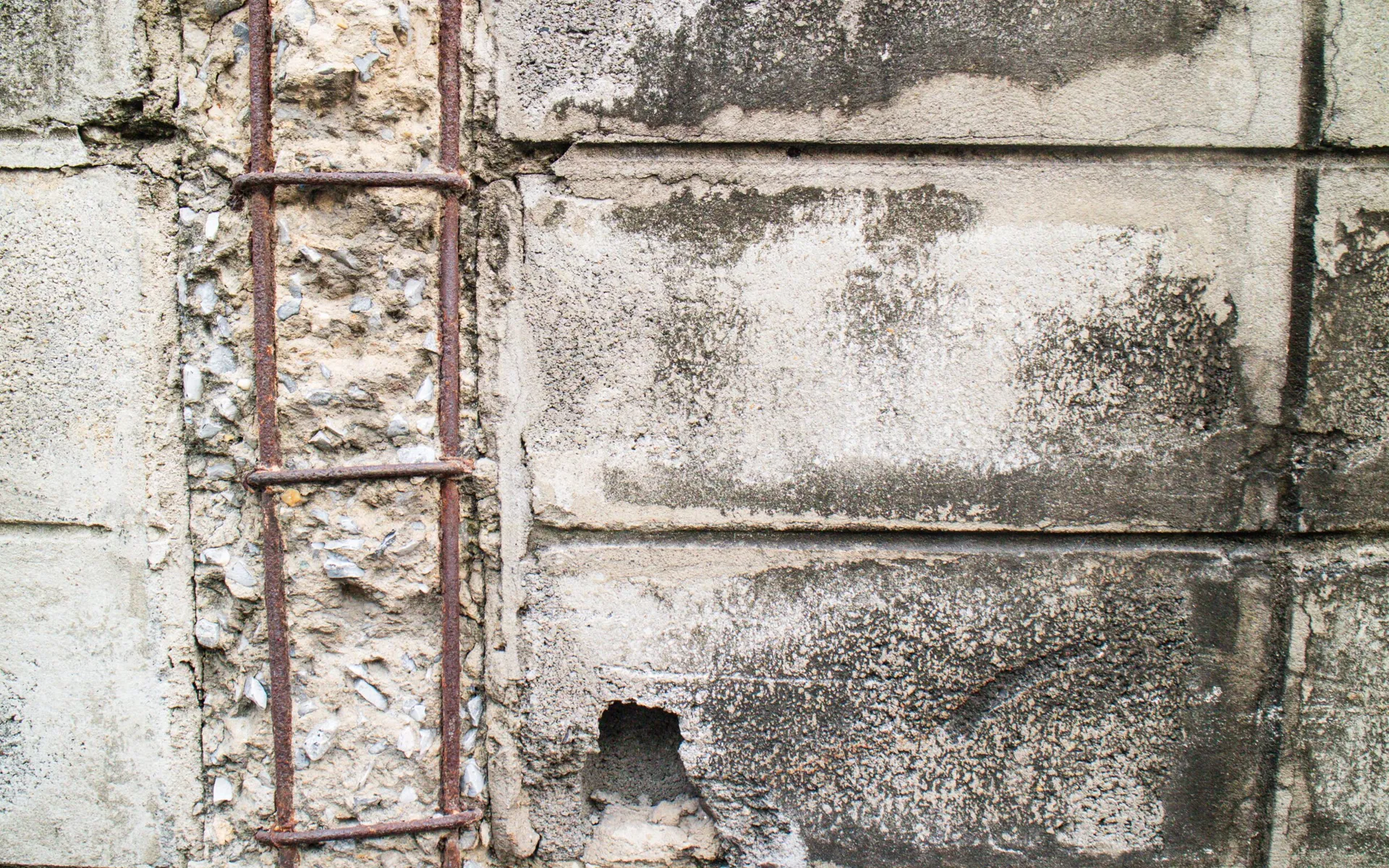
Learn moreConcrete surface renewal starts with assessing the substrate and type of damage. A repair or protection method is selected according to the findings and project requirements.
Learn moreConcrete joint cutting and related work follow the layout and details specified for the project. Location, timing, and method depend on the slab design and site conditions.
Learn moreFloor-system selection considers intended use, traffic, loads, substrate condition, exposure, and maintenance. The final specification should align with project requirements.
Learn morePre-construction planning coordinates scope, access, schedule, material deliveries, and other site activities. The plan is confirmed with the parties involved.
Learn moreQuality control may include checks agreed and defined for the project. Criteria, measurement methods, and reporting should be established before work begins.
Learn more